THE FESTIVE SEASON CREPT UP ON ME LIKE A THIEF

Here in my country, Uganda, the festive season has crept up on the majority of us like a thief.

It has come amidst intense political campaigns for a general election slated for 15th January 2026, the rising cost of living not forgetting the extremely hot and dry December weather.

As Geoffrey Chaucer said, “Time and Tide wait for no man.’’

Time relentlessly moves forward unaffected by human concerns. Nothing can express this better than Nature with its four seasons of Winter, Spring, Summer and Autumn, each one serving a purpose and preparing you for the next.

Last Monday I had some important work to do mid-morning, in an office close to the city centre.

The area was swarming with people, cars, boda boda motorcycles, all navigating the road repairs and closed off roads due to political campaigns going on around the city. I felt a sense of being trapped in that place.

At the same time, I was awakened to the fact that the festive season was gradually tightening its grip on the city.

The scents and sounds of the festive season were everywhere I passed or entered:

  1. The hot and dusty weather that has enveloped this special season since my childhood.
  2. The packed December calendars filled with social events as if everything has to be done by the end of the year
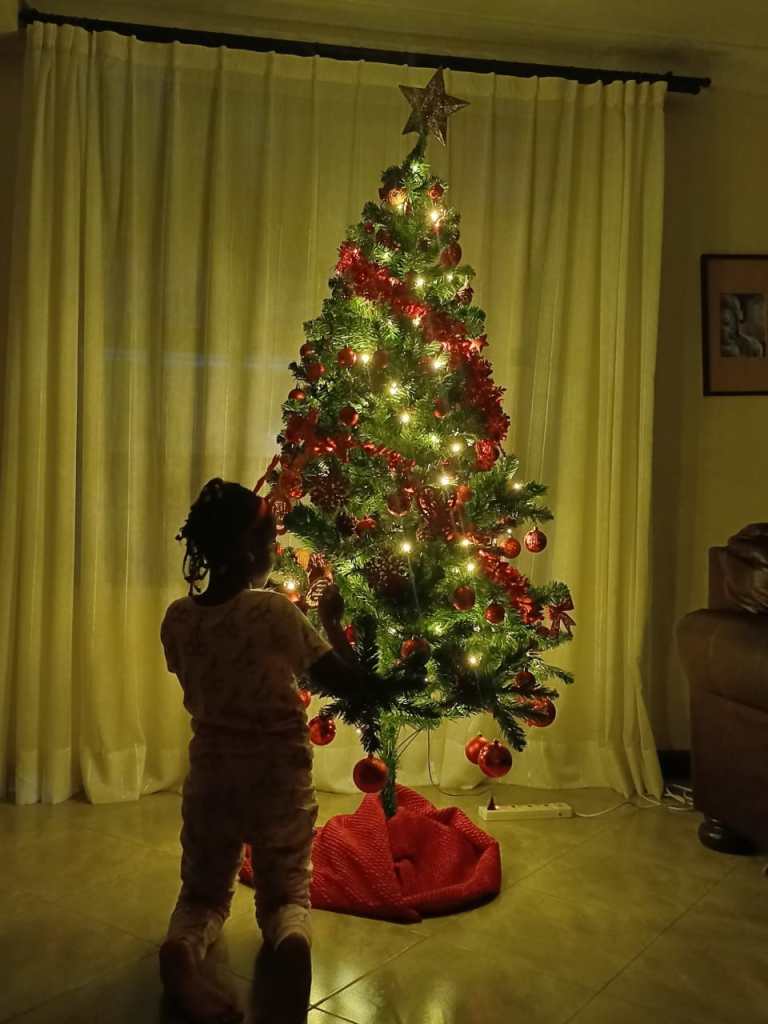
  3. The decorated Christmas trees in the traditional colours of the festive season- green ,red, white and royal gold, decorated with lights, in public places like hotels, supermarkets and shops.
  4. The wafting music of traditional Christmas carols like:  We wish You a Merry Xmas, Silent Night and Joy to the World confirming the season and connecting people across generations.
  5. Shops filled with shoppers young and old; lured there by the music, decorations, singing and limited offers like  “buy one , get one free’’.  A constant reminder of today’s world of consumerism that taps into the traditional spirit of the season of Giving and induces people to spend more.
  6.  The teenagers who have very little to do with themselves during this long holiday stretching beyond the election period.
  7. The opportunists that mingle with the crowds just to snatch anything of value like phones and handbags. 

No doubt, all these elements transport us to our childhood.

And for the likes of me who have enjoyed the blessing of celebrating more than sixty such seasons, we cannot help but be grateful for the joy and love at the centre of this season.

Digital technology controls almost all aspects of our lives  but some elements of this diverse and vibrant celebration have remained the same. The joy of the season combined with the festivity is good for our emotional well-being.

  • For the Christians, Christmas celebrations mark the birth of our saviour, Jesus Christ, who later on in his life reconciled us to the Lord our father by his death at the cross. For the young, this core theme of the faith tends to be lost in the celebrations and feasts.
  • This season reminds us that a new year is in the wings, giving us hope for a better tomorrow-  to evolve into the best versions of ourselves- doing more and being more.
  • This still remains a time to remember the good emotional connections to family  and loved ones giving us a sense of belonging.
  • A time to reinforce traditional rituals like decorating the churches and homes and donating essentials to the needy in our communities.
  • Traditions offer us a sense of continuity. The psychologists tell us that our brains are wired  to fear the unknown  so sticking to what we know causes us less stress.
  • Gift giving spirit – ever since I can remember, the festive period has served to give family and friends opportunities to give each other actual gifts or emotional support. Acts of goodwill born out of shared values. They evoke the release of the “feel good hormone’’: Dopamine for both the giver and receiver and strengthens the bonds between them.
  • A period of rest and reflection- a time to unwind and celebrate achievements.

You consider your goals for the year and asses your failures and achievements. It helps you to monitor personal growth and mental well-being. It provides you with a sense of purpose and direction for the future. You pick valuable lessons which you can then use to inform actions and decisions in future. You reset your focus by letting go of the past to be free to focus fully on the future.

Celebrating Christmas in the Digital Era

 For almost three years, the COVID -19 pandemic lockdown imprisoned us where we were. It denied us the opportunities which we had grown to take for granted: physical presence and inclusiveness. We were forced to make the most of available digital tools like video calls, Zoom video conferencing, virtual reality(VR) virtual gifts or shared meals. They helped us to enjoy some Christmas magic.

Some of these have since then gained ground, like virtual Christmas carols and church services (livestreaming) and cooking and eating together via video calls.

I for one prefer physical presence to virtual gatherings, if the distance can allow. According to the psychologists, non-verbal communication –body language, facial expression, tone of voice, eye contact offer 60-90 percent of the emotional communication compared to 7 percent offered by the spoken words.

Looking back, there are some activities that I  strongly associate with the festive season.

Attending some Christmas carol services in churches and community centres followed by lighting up the Christmas trees.

Decorating the Christmas tree at home.

Choosing the best gifts for the family and friends

Baking the traditional fruit cake

Attending the early morning church service always fosters gratitude.

Planning the dishes for the lunch

And much later , mid-life, the freedom to travel away from it all and just be looked after.

Writing a post of this kind in the festive season for the last 8 years, has allowed me to acknowledge and process my thoughts, emotions and feelings accumulated over the years.

The smells and sounds of the festive season continue to evoke vivid memories of loved ones lost, the beauty in people and nature offering me peace and calm amidst a fast-paced world.

Anyone who keeps the ability to see beauty  never grows old.’’–  Franz Kafka

None are so old as those who have outlived enthusiasm.’’- Henry David Thoreau

Thank you all for following my blog throughout 2025. I trust that we will continue to

 walk together in 2026.

 MERRY CHRISTMAS and a HAPPY NEW YEAR

Wishing you all peace and prosperity in 2026.

WHAT I REMEMBER MOST ABOUT MY UPBRINGING

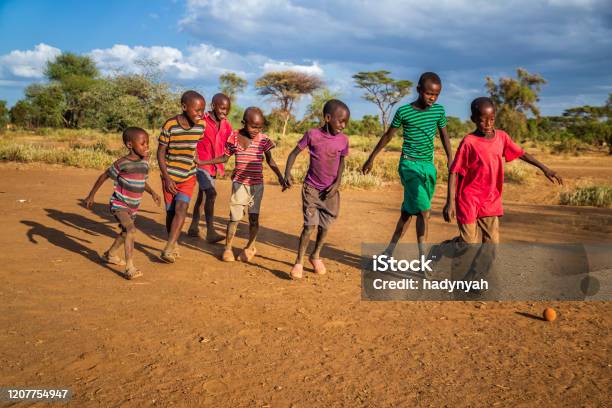
African children from Masai tribe playing football in the village near Mount Kilimanjaro, East Africa, Kenya, East Africa. Maasai tribe inhabiting southern Kenya and northern Tanzania, and they are related to the Samburu.

The challenges that today’s parents face in my local community have forced me to look back to the times of my childhood.

According to the  National Population Housing Census 2024, about 72.6 percent of Ugandans live in the rural area depending on subsistence farming for their livelihood.

The under 30 years of age in Uganda make up  73.2-78 percent of the population and this has its own challenges too the main one being unemployment.

Many of these youths end up migrating to the urban areas where  they believe that the grass is greener- more opportunities  for securing jobs and thriving.

They end up living in overcrowded slums or areas of social and economic deprivation.

 Alcohol and drug abuse are on the increase as well as  domestic violence.

Those left behind in the rural areas especially the girls, are forced into child marriages and teenage pregnancies, resulting in limited opportunities for the girl child and her children.

This happens at the backdrop of a world shrank to a global village by the use of the internet: well -connected and  changing fast every day of the year!

Even the youths from the middle income age group also face challenges of their own:

 The high levels of unemployment push those in employment to shoulder high burdens(83.3 %) of supporting dependants- parents and siblings.

They are stressed by the pressure for success- to give their children a better life than what they themselves had though the economic environment is not that conducive.

The high inflation erodes their pay, They know what they want out of life but they struggle to build themselves up. Most systems are not functional to support them or create opportunities for their development.

The traditional extended family network has also shrank.

 The country lacks a natural framework to guide parents and care givers, communities on parenting skills so the mushrooming day care centres are not well regulated.

Getting reliable helpers in the home has become fiercely difficult since the Middle East opened up for Ugandan domestic workers in 2015.

And yet a huge number of women are now contributing towards their family incomes and wealth.

Children are now left on their own in homes or sent to Day care centres for the few who can afford it or raised by helpers who change as often as dresses.

Single –parent households are on the increase due to   family breakdowns – divorce, separation and death, socio-economic challenges and shifting norms like lack of financial support from fathers, unstable relationships, teenage pregnancies and early marriages.

 Women are caught in an unenviable place of choosing between earning a living or staying at home to raise the child.   

As more women are empowered by education and given opportunities to develop into their full potential , more challenges in raising well-disciplined and emotionally strong children are likely to crop up.

Global data shows that more men and women are choosing to live single lives for various factors.

My mother was raised by an illiterate mother whose duty was to stay at home and take care of the children, sick relatives and the household.  Unfortunately, my grandmother lost her husband in her early thirties and was forced to rise up and bring up two daughters and a son with little support from the family.

My mother was a stay- at- home mother for 12 years but later reclaimed her independence to go back to work. She worked for 35 years till the HIV/AIDS pandemic of the early 90s made it risky to continue being a midwife.

I for one chose to take up a medical career and juggled it with motherhood and society’s prescribed duties. A good education offered relative stability and I knew that if I worked hard and kept improving my worth, I could be promoted through transparent systems.

My daughter, a millennial child with the best education, has dared to take on self-employment and raising a young family.

Today’s youths have found safety in their big numbers; well informed, connected across borders and are demanding for opportunities, justice , accountability and inclusiveness in the economic and social development. They demand to be heard. Due to their big numbers, they take long to find gainful and sustainable employment.

Looking back, I am more than grateful for the way my siblings and I were raised.

The world was then small and relatively predictable. We grew up in small communities where everyone knew and protected the other. All children belonged to the community and were raised by it.

The teachers went beyond teaching and the leaders lived to serve all other than self -aggrandizement.

At home, both my parents were open people who received neighbours and our friends with great ease

and shared what they had with the needy.  Our land line telephone was the emergency phone for the whole village for free. Our friends were always warmly received in the home and we would be allowed to visit their homes often with a deadline to be home by 6pm.

Tough love which is a contentious issue today,

was the order of the day. We all knew our limits and knew who held the reins.

Respect, trust, kindness and good communication were our staples

as was sharing or giving and praying together to stay together.

Healthy competitions among ourselves were encouraged  as we practised story telling, read books and played Ludo, Snakes and Ladders and cards.

We were taught early that life was more about developing into your full potential other than being perfect. Perfection was for God only. I learned early that learning was for life and that I could always improve my personal best.

 Our parents worked in tandem – a No from one of them was a no from both so was a Yes.

 They never feared to show us their vulnerability – when they lost a close relative

or when they could not afford to buy us what we wanted- living within one’s means. They encouraged us to speak up for ourselves and others and involved us in some important decisions about ourselves.

We always cleaned up our own mess and looked out for each other.

 Honesty and integrity were among the priceless badges of honour to wear for life.

We had to guard our family name and like the laysan albatross, home was always open to us.

 Fun and Laughter were equally important as was celebrating each other’s wins and lifting up the weak.

Last but not least, we were taught the “small things that matter in life’’-  being humble to say: “Thank you’’,  “I’m sorry’’ and “How can I help you’’.

Little wonder that we grew up into confident and bold adults with strong bonds.

Some Proverbs and Quotes  which I still treasure:

Akuba owuwe akuba awumba ngalo- loosely translated : A little empathy is required as you punish your own.

Ndyebaaza ndya tagunjula munafu: Encouraging a lazy person to improve requires cheering and celebrating the small efforts she takes towards doing something not waiting for completion of the task.

Akakyama mammera kazibu okugolola : It is difficult to straighten a  twig that has been allowed to grow up bent.

What your mother does not teach you, the world will teach you at a price.- Swahili proverb.

 Obwetowaze businga obuziira: In the long run , humility is better than bravery.

Enjala evumbula : Hard times reveal one’s true character.

Akuwera omwana, aba awadde gwe: Any generosity extended to your child is yours too.

 Omuddo omunyirivu, waliwo agufukirira. The grass is greener where you water it.

New level , new devil’’ – Joyce Meyer .  Challenges  and obstacles change as you advance in life.

The 5th commandment: “Honour your father and your mother, so that you may live well and have a long life.” The only one with an attached promise.

The poorest man in the world is not the one without money but the one without people.- African Proverb

 Watching my children raising their children  has given me the wisdom to understand that the best gifts a parent can give to a child are not found in any toy shop ; it is what you invest and leave in them. Principles and values to guide them through life.

Each generation has its work cut out and each one lends to the next-adding on to what has been laid down as a foundation: principles and values. The onus is on each one of us to make the most of your time and strive to make the world a better place than you found it.

I am appreciating all the good in my childhood and accepting what was not done right to free myself to live in the present comfortably.

QUESTION:

Do you feel visible, heard and integrated into the systems around you?

How do you think you could be accelerated to belong?

Start at home , school and community to build your confidence.

A TRIBUTE TO HON. MARY BUSINGYE KAROORO OKURUT( 08/12/54- 11/08/25)

The late Mary Busingye Karooro Okurut was born in Bushenyi district in western Uganda. Her father was a headmaster of one of the primary schools of the area. After her A-levels in Trinity College Nabbingo , she joined the only country’s university then , Makerere, for a BA literature degree then pursued a MA degree in literature soon after.  In 1981, she then joined Makerere university’s department of literature as a lecturer. Later, she went on to work with the education commission and the Presidential Press unit. From 2004 to 2021, she entered active politics and represented Bushenyi district as the Women’s Member of Parliament. On losing this seat in 2021, she was appointed a presidential advisor in media and public affairs.

Undeniably, Hon. Mary Busingye Karooro Okurut is considered as one of Uganda’s distinguished educationists, author and politician. Our paths would never have crossed if I had not had an inherent passion for the written word which drove me to awaken the sleeping writer in me.  I had shelved her during my long dance with motherhood and career development. As my children started joining university one by one, I willed myself to pick up the creative side of myself. After my return from economic exile I met Hon. Mary Karooro Okurut often in the Femrite- organised workshops, seminars and retreats. It was both a privilege and exciting to know her. For her, literature was essential in cultivating and enhancing critical thinking, empathy, helping people to see different perspectives of each situation and developing good communication skills.

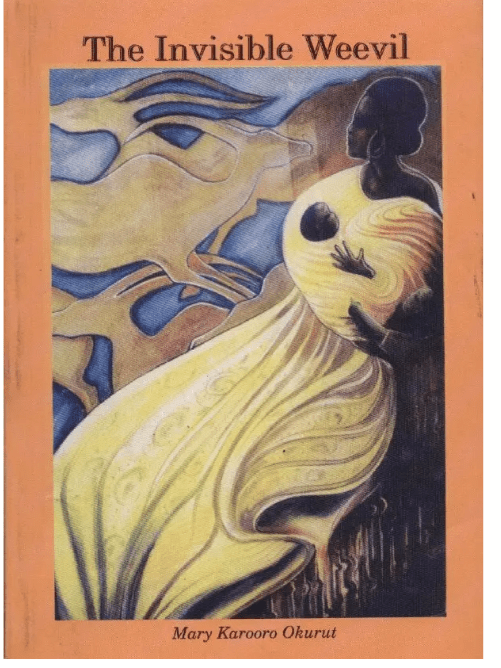
As a voracious reader, I had read and been fascinated by her novel : The Invisible Weevil ( 1998) –fiction based on the post-colonial period of Uganda’s history while drawing attention to the political instability and gender concerns of the day.

And the drama one : The Curse of the of The Sacred Cow; talking about the misfortunes that befell  the household after they had tampered with the values and beliefs within their culture.

 Later, I also came across: A Woman’s Voice – an anthology of twelve short stories told by different women in Uganda, which she had edited and was published by Femrite Publication Limited in 1998. It documents women’s feelings, thoughts and experiences.

 Currently, her  books are taught in secondary schools and tertiary institutions.

As a lecturer in the department of Literature  of Makerere University Kampala , she was distinctly aware of the absence of Ugandan female writers in the literary  landscape of  Uganda and globally and yet the written word could be as sharp as swords.

She knew that if the Ugandan women were empowered and encouraged to write their stories in their own words, these stories would help shape public opinion and inspire advocacy for gender equality. Such stories usually based on the reality on the ground would also promote women’s education and cause social reform movements  about important social issues like identity, relationships, inheritance , dowry and child marriages. Women make up more than fifty percent of our population and still remain the backbone of families and communities in Uganda. They are natural storytellers and custodians of oral narratives. This demands that women’s voices be consistently heard and celebrated.

Driven by her passion for literature, her curiosity, bold confidence, determination and nurturing spirit,

Hon. Mary Karooro Okurut  and a few other like- minded women : Ayeta Anne Wangusa, Hilda  J. Twongyeirwe, Rosemary Kyarimpa and Dr. Susan  N. Kiguli,  co-founded the Uganda Women Writers Association : FEMRITE in 1995 and launched it in 1996.

Since then, this sound Platform and launching pad, has supported Ugandan women writers and given them a collective voice as they told their unique stories which themselves became works of catalysts of change addressing collective concerns or overlooked realities.

Having been in economic exile for over twenty five years, I returned to a completely changed literary landscape; no longer male-dominated. We now boast of international writers and poets. In 2007, Monica Arac de Nyeko became the first  Ugandan to win the prestigious Caine Prize for African writing  for her story Jambula Tree. Other outstanding  international writers include: Goretti Kyomuhendo,

Sarah Kiguli, Glaydah Namukasa and many young ones are emerging during this digital era. We also have publishers , editors and bloggers.

The once- silent women are now vocal

The once – unseen are clearly visible and recognised

The unheard are now being listened to attentively.

They are all offering transformative ideas for creating a world that values men and women equally.

They never forget their biggest challenge of consistently creating and nurturing  a reading culture in each generation.

“ A candle loses nothing by lighting another candle.’’– James Keller

Their pens and keyboards are at work 24/7.

All this credit first goes back to God who gave these women the gifts and talents of playing with words to create powerful images.

 And then to ‘’ Mother hen, Mary Busingye Karooro Okurut, the storyteller from Bushenyi and all the teams she has worked with at FEMRITE for these 29 years of active service.

In the last three years, efforts are also being invested into FEMRITE owning its own home/base: A key Rite of Passage at 29 years of age!  In our culture this symbolises maturity, taking on greater responsibility, self-provisioning and Independence.

Thank you most sincerely, Mother hen for ensuring that there is continuity after you. Uganda’s women writers are determined to honour you by carrying on your established legacy in the literary world while creating their own as well.

As Albert Einstein rightly said : “ Creating is contagious , pass it on.’’

Creative works are gifts to the world; like all other authors before you, yours will outlive you and you will be reborn as each generation reads and interprets them.

REST IN ETERNAL PEACE 

Mother hen of FEMRITE

ME TIME

Spending time out in the wild can help you find your inner Self.
the photo is from Unsplash.com

Today’s world is a fast-paced one, demanding for constant urgency, relentless productivity and expectations, and a sense of being busy, driven by technology, demanding schedules and pressure to achieve instant gratification. Being exposed for long to such a harsh environment causes stress, burnout, poor mental well-being and a constant struggle to find the right balance between work and meaningful connections. Each one of us especially those in the 25-60 age group need a constant reminder for the vital need to set aside some ”ME TIME ” every day to find herself/himself and to refresh.

Spending time alone with yourself allows you to reboot, meditate, focus and be more creative and productive. Being away from it all reduces the distractions and interruptions.

Women in particular, as the natural Caregivers and nurturers in our communities, have many demands made on their time by family, friends and careers that they may fail to find time for themselves. And when they do, they tend to feel guilty about it.

The psychologists never cease to remind us that each one of us needs time to look within herself/himself to know who he/she really is.  Knowing your inner thoughts and beliefs, your gifts, talents and weaknesses and embracing them, helps you to act authentically and results in meaningful and fulfilling lives.

As children we very much want to please our parents then our teachers and later as teenagers we want to please our peers mainly because we want to belong and even fit in. We step into predetermined roles that in a large measure come to define us. Between 30and 40 years of age, we go through life being guided by our ambitions, desires and aspirations.

After 40 most of us throw away the cultural and society conditioning and embark on a journey to find our own way of expressing our uniqueness in the world. Through our identities and vocations we express who we are.

The Merriam – Webster dictionary defines Self –awareness as an awareness of one’s own personality or individuality.  The psychologists refer to this state as a state in which oneself becomes the focus of attention. It involves being aware of the different aspects of the Self including traits, behaviours and feelings. It is about understanding your own needs, desires, failings, habits, why you feel what you feel and why you behave in a particular way and everything else that makes you, you.

“ I care for myself. The more solitary, the more friendless, the more unsustained I am , the more I will respect myself.”- Charlotte Bronte.

 Self-awareness is a challenging and a lifelong effort. Through the experiences we go through: loses and achievements, failures and successes and how we respond to them  and our interactions with other people and how we respond to them , help us to explore and understand ourselves . We find the Self- the inner you. We act on what we get to know about ourselves and use it to change ourselves for the better. The inner you has to be constantly renewed and healed by connecting to the mind, soul ,  and heart .

The Benefits of self-awareness/Knowing yourself.

“ I have been and still am a seeker, but I have ceased to question stars and books; I have begun to listen to the teaching my blood whispers to me.” – Hermann Hesse

Knowing your inner self is essential for you to live a more meaningful and satisfying life. It helps you become more objective about yourself. Other benefits include:

  • Having a clear sense of purpose- you get to know
    your purpose and direction in life. You get to know what is important to you
    and what you hope to achieve.
  • Self-acceptance- you understand that you are not
    perfect but have strengths and weaknesses. You recognize the form of your own
    beauty, whether it is the beauty of your body, mind or your character. It helps
    you to gradually become honest and authentic.
  • You build strong relationships- the more you
    know and understand yourself, the more you get to understand others and the
    more you can influence them positively.
  • Experience greater well-being. The more you are
    in touch with your soul, the more you recognize the great worth within you, you
    begin to respect and have reverence of oneself.
  • Happiness- you align your thoughts, actions with
    your core values.
  • More creative and productive- When your mind,
    your soul and heart are in harmony, you are more focused, imaginative and
    creative. You create things out of who you are organically.

       How to increase Self-awareness.

The psychologists advise us to increase our self awareness by practicing the following every day:

  1. Devote time to yourself- everyday spend time
    with yourself by reading, writing, praying and connecting with yourself.
  2. Mindfulness practice- pay attention to your
    inner state and external experiences occurring in the present moment. It can be
    done through training or by practicing meditation.
  3. Keep a journal- Record your thoughts, feelings,
    ideas and important decisions. It helps you to process your thoughts and to
    connect with yourself at a deeper level. It helps you also to track your
    progress in life.
  4. Train yourself to become a good listener- Listen
    beyond the words. Listening to others makes you a better listener to your own
    inner voice and you become your own best friend.
  5. Feedbacks- have the courage to ask what others
    think of you- at home, at work and ask the friends you consider important to
    you. As you learn about yourself, you also learn about others and how they
    respond to you. Use the objective feed back to change yourself for the better.
    The more you accept yourself, the more accepting of others you become.

Researchers have proved that the best way to get to truly know yourself is to disconnect from it all; people, gadgets and be alone with yourself.

In the Bible, on several occasions, Jesus Christ would go off alone to pray and refresh himself.

A day before he chose the twelve disciples, he went up a hill to pray and spent the whole night there praying to God.

“Everything that irritates us about others can lead us to an understanding of ourselves.” Carl Gustav Jung.

As a daughter, wife, mother, friend, medical doctor and member of my community, I used to find it difficult to make time for myself. As I grow older, I have found it easier to find time to give to myself without feeling guilty. I developed it gradually after I recognized that I was not indispensable, neither could I be available 24/7 nor do everything. I learned to prioritize to free up time to focus on the 20% most important things in my life. I learned to delegate tasks and to empower family and friends to do things for themselves. I have learned to set boundaries and limits to safeguard myself against burn out.

I regularly give to myself by reading the Bible, reading novels, listening to good music, country and  oldies tunes.  I am a keen gardener too. I tend to my vegetable garden and small orchard. Right now I have a graviola/soursop tree bent with spiky green fruits. I cannot wait to eat them and share a few with friends.

Walking about in the bush in the village is a privileged experience that enables me to connect with the beauty of nature and to find my place in the universe. It feeds my soul.

My best time with myself is when I wake up as early as 5am to write a chapter for a novel or a post for the blog for two and half hours. By that time it is peaceful and calm as most people are still in bed and the deafening noises of the boda bodas– motorcycle taxis, are also silent. I try to pack in as much as I can before the sunrise. Thankfully, the ideas flow freely. I am strongly focused as I paint on the day’s blank canvas using all the colours of the rainbow. I tend to be more productive and effective at this quiet time. At that moment in time, I am fully conscious of who I am and what I am doing.

I have come to understand that all human beings are born to be creators of things including their own lives and that the most magnificent works are created only when the mind, soul and heart are working in tandem. The works themselves are an expression of who we are at that moment in time. When the mind and soul are at odds, we live a life of struggle. Many people pass through life not knowing who truly they are and what they want out of life. Sometimes the people around us influence us to the extent of suffocating who we are or the choices available to us are limited. We miss out on expressing our wholeness- not expressing what is most unique about each one of us towards making a better world.

“ We are alive or dead according to the condition of our Souls.”- James Hillman

The Soul is the most creative and transformative part of ourselves.

And Ralph Ellison said: “When I discover who I am, I’ll be free.’’ Being in touch with your Soul awakens your imagination and this drives you to find meaning and beauty in your life. Life ceases to be a struggle and instead things flow easily.

According to Wikipedia, the multilingual free online encyclopedia, One of the mottos inscribed on the 4th century BC Temple of Apollo at Delphi in Greece was : “ Know Thyself.’’ The ancient Greek philosophers, Socrates and Plato often referred to this motto in their works. Essentially it served to draw  the attention of the worshippers entering the temple to the fact that : When you know and understand yourself then you are able to understand other human beings better.

After all, much of our lives are created collectively not individually.

QUESTION:

Do you set aside “Me Time” everyday  to get in touch with your Soul? Have you started creating beautiful things authentically from your Soul?

YOU WIN SOME AND LOSE SOME


Caption: My high school netball team, waiting to take on another school’s team on home ground in the late 60s.

I have always been keen to watch the Wimbledon tennis championships, especially the semi-finals and finals for both male and female competitors.

On Saturday , 12th July 2025, I sat glued to the TV watching the 57 minute final  match between  the  23 year old Amanda Anisimova of USA and 24 year old Iga Swiatek of Poland. Both of them were playing for the first time in  the final of a Grand Slam at Wimbledon.  The fans remained quiet and still as they watched Swiatek outperform  Anisimova who was expected to win. But then that is the beauty of  a competitive game , you cannot know the actual winner until the game has ended. Each player has to keep offering her best and play fairly to be a deserving winner.

Swiatek offered her best  and won while Anisimova after the match admitted having  been slow in movement  and frozen for some moments due to the pressure put on her by Swiatek.

There is always life after the game. Anisimova has to do  a rebuilding job to come back on top.

 “I never lose; I either win or learn.’’-  Nelson Mandela.

What has always defined  a fighter is how well he/she rises after falling.

Then by sheer chance on the 22nd July 2025, I stumbled on the 13th edition of the Women’s Africa Cup  of Nations  semi-finals at the Olympic stadium, in  Rabat,  Morocco. Eventual tournament winners Nigeria were playing against South Africa and Nigeria won  2 to 1. 

These two games took me back to my childhood and I reflected on the timeless lessons I had learned as a member of my high school relay team and long jumper, lessons that I could never have been taught in any class, and I greatly appreciate how they have guided me through my life’s journey.

Whether playing on your own or as a team , you enter the competition to win but at the back of your mind you know very well that losing is the other side of the same coin. You have to seize  the opportunity to be a deserving winner. You can come from behind and win ; the game is never over until the final whistle is blown.

In the tennis singles you are playing  on your own but in the football team you are an integral part of the  team and the success of the team depends on how well each member performs her/ his part.

Singles

  1. Preparations: practice makes perfect. The more you play, the better you become. 

Mentally- The game starts in your mind by planning and strategizing on how to achieve your goals. You anticipate your opponent’s moves.

When you are on the field or court , your mind should be at work

Focus on the whole process, not the outcome only. What you focus on grows.

Self motivation by positive self-talk to encourage yourself goes a long way.

Handling success and failure

Harness the lessons you learn from failure –  You cannot blame anyone for your loss. Learn from your mistakes and use the lessons and experiences to improve your personal best.

 As time goes by, you have to listen to your body to decide when to call it a day. Two of the greatest tennis players of all time left us still applauding. Martina Navratilova who turned professional aged 18 in 1977 stopped playing singles in 1994 but continued with mixed doubles till she was almost aged 50 in 2006.

Serena Williams turned professional aged 14 in 1995, played her last game aged 40 in 2022 with 23 grand slams under her belt. 

In 2023, Anisimova chose to take an eight month break from the demanding tennis schedule due to mental health challenges.

 She came back when she felt that she had regained her mental strength. 

                Team games require all that is demanded of you when playing as an individual plus factoring in         and accommodating and tolerating the weakness and strengths of the members of your team.

Teamwork – Synergy:  Each member should give her\his best towards each moment of the game to amplify the final outcome.

Discipline- success demands dedication, consistent effort, adherence to the training schedule and game plans.

Resilience and perseverance help everyone to overcome challenges and to be able to bounce back from losses; something that  will  carry them through life.

Communication skills- verbal or just by body language to communicate quickly. It demands listening and good eye contact. 

Responsibility and accountability – each player is responsible for her/his behaviour on and off the field including keeping in top shape . 

              Leadership- good leadership guides and motivates the team mates.

Time management- has to be learned over time to enable all players to balance training, games and personal life.

Humility- keeps you open –minded to keep learning from others and your own experiences.

       “ The only true wisdom is  in knowing  you know nothing.’’ – Socrates.

                 Sports builds character and should be integrated into school activities.

I know for sure that a good balance of losing and winning in games and in life in general, keeps you on your toes; never to take things for granted. You learn to persevere, eventually becoming resilient enough to adapt to changing circumstances.

                 How the psychologists interpret  the Win some, Lose some mantra:

  • They tell us that in sports and in the journey of life, winning and losing some is a natural cycle of success.

It is not possible to win all the time- both losing and winning are equally important as one grows into the best player.

  • They advise us not to allow ourselves to be defined by the loss or failure nor take winning for granted.
  • They remind us that winning keeps pressure on you to stay at the top.

Be humble in victory and graceful in defeat – Circumstances keep changing : Today’s winner may be tomorrow’s loser.

Being humble in victory prevents arrogance and energizes one to learn from success. Grace in defeat promotes resilience and healthy coping mechanisms. You accept defeat other than deny it, opening yourself up to learn from your mistakes and bounce back from setbacks.

  • They emphasize to us that in the grand scheme of things: life,  setbacks are inevitable and should always be accepted.

We learn more from our failures than in victory. Take time to reflect on why you lost and use it in planning how to play better in future. You can always bounce back from challenges. 

 In today’s world of sponsorship and social media, it is important that each player is equipped with guidelines of handling pressure- the training and competitions by themselves exert a lot of pressure on the players but the fans and followers can overwhelm the players .

If you have learned how to handle winning and losing, sometimes you find yourself comfortable with the loss- you were fully prepared for the game, were focused to be fully present and gave it your all. It only happens when you have developed the mental toughness to be the best.

Parents and teachers should consistently teach children and prepare them on how to deal with both. This will help them navigate through today’s highly competitive world. At all levels in life, you can experience either but what matters most is how you deal with each one. Life will always go on whether you win or lose. At the same time remember that shallow victories leave a hollow echo.

Question:

 Is there a time in your life when you found it terribly difficult to accept loss or defeat?

How did you pick yourself up from this situation?

THE SPECTRUM OF GIVING


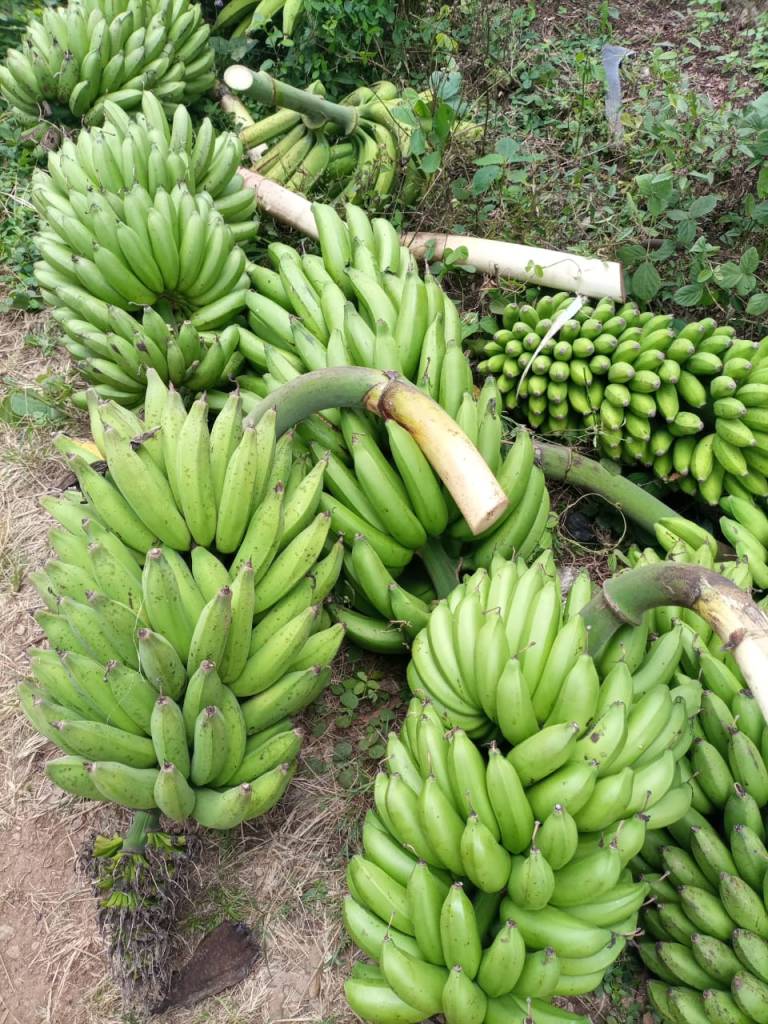
The first fruits of the first rains this season.

The rains revive the plants and the plants keep giving to us cheerfully.
I do not remember any occasion when my mother came to our place empty-handed or my late father
ever forgot to send me a cheque or a small token on my birthday. My mother has always had green
fingers and my father loved sharing what he had because he believed that life was richer if shared with
others.
Balanced generosity was one of their badges of honour- they gave us because they felt it was the right
thing to do and because they wanted to. That was them. Today at 93, my mother still asks us to give a
glass of water and something to eat to anyone who calls on her : be it her doctor, village Catholic priest,
praying group or grandchildren. They have all learned to be comfortable with her offers and take them
gladly.
I grew up in a community where the village collectively raised the children, buried their own, looked
after their needy and celebrated their successes together. These glued the community together.
However, things have changed over the years leaving families to shoulder most of these responsibilities.
I have noticed changes in the patterns of giving to one another: giving to gain a favour, to get something
in return and the politicians giving to have control or manipulate the ordinary citizens. Those giving to
make a difference to people’s lives are in the minority!
As a senior citizen, I have suffered many demands on my time, efforts, knowledge and experience and
my money too. This is mainly due to the fact that currently, the basic essential services like health care
and education have huge gaps in them. Many times I have found myself losing myself in giving to others.
I was forced to stop and think deeply about the demands being made on me and design my own
solutions to preserve my sense of self.
It drove me to read thoroughly and try to understand the psychology of giving.
I felt I should share the gems I picked from this wide reading with you.
Generally, the different forms of generosity are driven by different motives.
MEANINESS/STINGINESS
No doubt this is the opposite side of giving but it is considered as one extreme on the spectrum of
GIVING. I know for sure that givers cannot quench the thirst of every person around them but at the
same time , there are people who are reluctant to spend money on others even on themselves or basic
necessities in life in order to hoard money or other possessions. The psychologists tell us this behaviour
is born out of emotional insecurity. They live with the fear of not being able to meet their needs in
future so they cling to everything they have: money or possessions.
Some of them have lived through trauma or emotional deprivation early on. Over time, they develop
unhealthy coping mechanisms to protect themselves. Hoarding gives them control and is their way of
protecting themselves against emotional distress.

As they are constantly consumed by the fear of running out of resources they become emotionally
withdrawn and detached from others. A number of them go on to develop anxiety disorders, depression
or obsessive compulsive disorders.
They need help to break this cycle of hoarding by gradually changing their mind set from obsessive
preservation of resources to sharing and investing in oneself and others.
Their management starts from identifying the underlying root cause of stinginess.
They are then taken through a process of learning to practice generosity with time, energy and
emotions. Life is richer if shared with others.
Genuine giving is itself born out positive traits like empathy, kindness and helpfulness.

Ripe plantain tastes better when shared

  1. ENDLESS GIVING – excessive generosity that prioritises the needs of others over your own to avoid
    conflict or rejection.
    It is rooted in poor self-esteem- in a desire to please others or to seek validation.
    It has a tendency to trap the giver into a cycle of giving beyond her/his means and can easily cause
    emotional, mental and physical burnout- exhaustion.
    Your endless generosity can turn the willing takers into dependants on your generosity and gradually
    drains you.
    In some cases, recipients tend to abuse the givers generosity and become exploiters.
    Over time the giver loses energy, time, empathy to give meaningfully to those who genuinely need
    her/his generosity.
    Psychologists and Counsellors manage these kind of givers by:
     helping them to understand the healthy approach of building self-worth and to shed off fears of
    disappointing others.
     Teaching them to consider themselves first – never to empty their emotional bank account
     To give out of choice rather than compulsion. To keep at it until they learn the habit. It
    demands a lot of patience, practice and learning on their part. In the long run, it brings
    refreshing balance to their lives.

The rural African woman has been conditioned by society to give to the family and community without
considering herself. I have seen them give until they have nothing left to give to themselves and others.
Families and communities have the duty to rescue them from this forced preoccupation of giving,
nurturing and pleasing others at their expense, by teaching them their value as individuals.

  1. BALLANCED GIVING: The capacity to give out of a conscious choice not out of obligation. You balance
    your own needs with the needs of others. Thankfully, this is where most people fall on the spectrum of
    giving.

You give because you feel that it is the right thing to do. You use your intuition to comprehend the
requests for help and choose how to respond to each one. It is learned over time and one should work
on it to sustain it. You become a better version of yourself with practice.
MOTIVE- a healthy approach to giving: true giving from the heart. Giving from a deep well of love,
concern and care without maiming yourself or the recipient. You have clear boundaries and you stick to
them for your own good without feeling guilty about it. You respect your intuition.
You know that it is fine to say:
 I am not in a position to help
 I need time to consider it
 I can only go this far with your request for now.
 This is the last time I am helping out so rise up and help yourself
 I know you can do this for yourself so go ahead and have it completed.
Communicate your limits clearly and live by them.
Naturally, these lines are sometimes blurred in our lives and we allow ourselves some flexibility
depending on the situation and the person you are trying to help. But one should be reminded that
choosing one’s response based on your intuition is very liberating.

SOME QUOTES AND PROVERBS ABOUT GIVING.

You don’t have to be an angel, just be someone who can give.”- Patti Labelle

Ekisa ekitagaana kizala obulimba- Luganda proverb
Literally meaning : if you keep promising things without limits, you become a liar.
Ekisa kitta n’enge etta
Too much kindness /generosity can cause more harm than good
Entasiima ebula agiwa
An ungrateful person will in the long run out of givers.
If you eat alone, you will die alone. Kikuyu Proverb
If a husband is stingy, it is likely that his father is stingy.- Kikuyu Proverb
If you have some savings you will not go hungry- Kukuyu Proverb.
Okuddiza guba mwoyo- Luganda proverb.
You do not have to be rich to give, it all comes from the heart.

“ You give but little when you give of your possessions. It is when you give of yourself that you truly
give.’’- Kahlil Gibran
“When you give cheerfully and accept gratefully, everyone is blessed.’’- Maya Angelou
“Giving opens the way for receiving.’’- Florence Scovel Shina

2 Corinthian 9:7 “You should each give ,then, as you have decided, not with regret or out of a sense
of duty; for God loves the one who gives gladly.’’

Everyone has something to give- time, attention, a listening ear, care, affection, support, a simple smile
or material possessions.
“Everyone wants to be something or someone but no one can just be.’’- Unknown

QUESTION:
Has this post helped you learn about yourself as a giver?

WHEN THE RAINS WREAK HAVOC 

Part 2

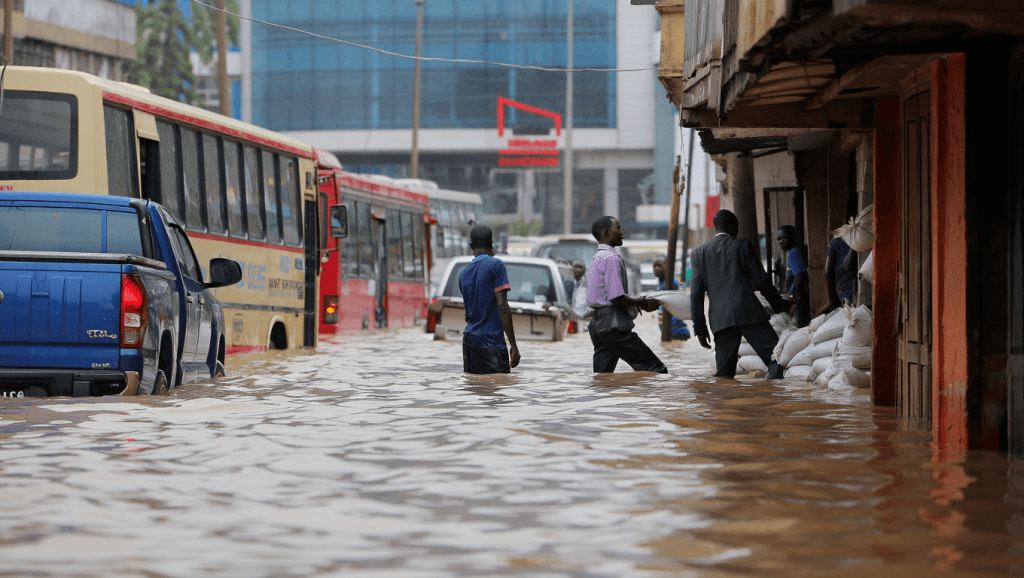
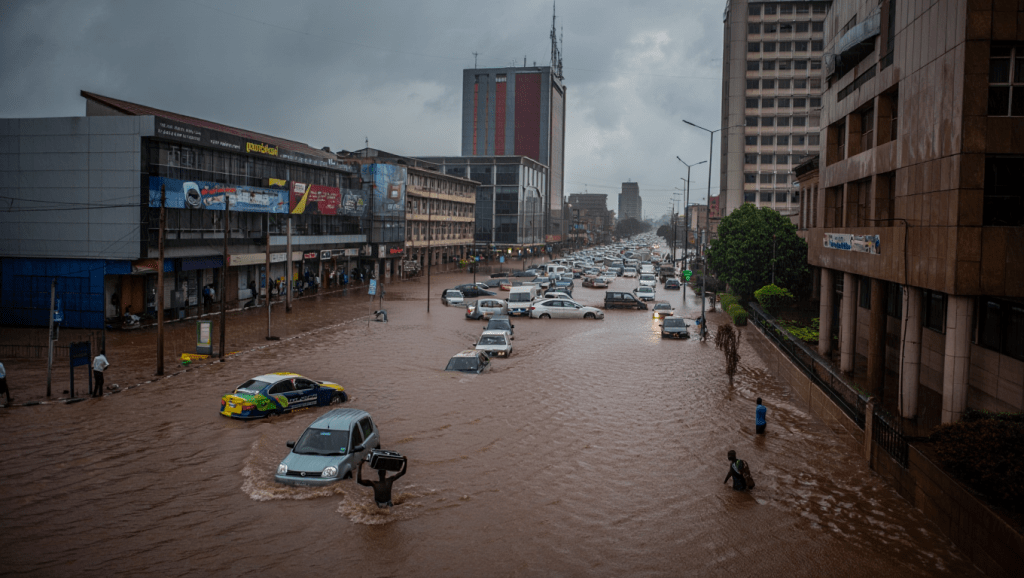
Yes, Kampala was  initially planned for not more than 500,0000 inhabitants but available data shows that during the day Kampala’s population is estimated at more than three million people!  The development in infrastructure, drainage channels, protection of wetlands and increase in tree cover has not matched its growth. The planning of the suburbs is no exception.

As the flash floods have become a perennial problem, there is a pressing  demand for specific planning, preparedness and quick responses to the impact of the problem.

I have just been to my home village in Mityana, 70 kilometres West of Kampala.

The extreme heat of February dried up many maize fields.

Currently, the frequent rains mean impassable roads and have laid waste to some of the crops.

By simple observation, while growing up our fields used to have trees as  boundary trees  or hedges. Trees like Calliandra( Kaliisambuzi), Grevillea Robusta, Albizzia( Mugavu).

 In the banana and coffee gardens there were always Mituba trees (used for making bark cloth) and others to provide shade and to support climbers like yams and passion fruit. Mituba trees also provided fodder for the goats.

Others included mangoes and Mivule(African teak)trees. They served as windbreaks- reducing the speed of strong winds and minimizing the soil erosion and crop damage. When pruned, the wood was used for cooking or building simple structures on the farm.

Some of them had medicinal purposes and others improved soil fertility by the bacteria in their roots fixing nitrogen for the crops.

Most fields I pass by are in the open, all trees cleared; rendering the land and crops vulnerable to floods and strong winds.

Farmers should be encouraged to plant indigenous windbreaks like Mugavu, Kaliisambuzi, Mukoge                as hedges or boundary trees.

I can recall visiting my sisters in South England in October 1987. On the night of 15-16 October, we were woken up by howling winds followed by heavy rains, power went off and we feared for our lives. There had been no warning of this severe weather event.

Early the next morning, peeking through the kitchen window we could see  huge trees uprooted all around us.

When power was restored, we learned that South England had suffered the worst storm since 1703 and the damage was estimated to be a billion pounds!  It took several weeks to clear the fallen trees. 15 million trees were destroyed, a number of them were a hundred years old and 18 people had died.

The UK MET office had missed the storm and at the same time, there was no way of warning the people about the severe storm.

After the storm , 500 million trees were planted and this time , trees with broad- based leaves were preferred to the pines and other conifers that made up the majority of those destroyed.

Among the lessons learned was the setting up of a National Severe Weather Warning Service to improve the quality of weather forecasts and to improve preparedness and response to the likely impact. Technology has also improved the quality of the forecasts.

Uganda and all countries have to devise locally appropriate strategies to reduce the main human activities that increase global warming and involve the people at the grass roots in campaigns for tree planting and adopting clean energy.

My geography teacher’s   voice still echoes: The higher you go, the colder it gets- for every 1000m climb, the temperature drops by 6.5 degrees Celsius.

Kigezi region 490 Kilometres South West of Kampala of altitude 1200-2000 metres above the sea level, has been the coldest region of Uganda. Mgahinga Gorilla National Park between 2,227-4,127 metres   above sea level has average temperatures of 20 degrees Celsius during the day while night time temperatures can drop to around 9 degrees Celsius!

In the 60s and 70s Kigezi region had an average temperature of 15-18 degrees Celsius. Currently it’s getting warmer due to deforestation and population pressure.

Kampala city at an altitude of about 1190 metres above sea level has an average daytime temperature 26-28 Celsius  and 16 degrees in the evening. During the February heat wave, temperatures  as high as 34 degrees Celsius were recorded in Kampala by the Uganda National Meteorology Authority.

In the 60s and 70s, Kampala’s daytime temperatures ranged from 21- 23 degrees Celsius.

 For now, due to global warming, the rains are wreaking havoc in both the cities and villages and the ordinary people are the worst impacted. More collective efforts and actions are demanded from everyone, everywhere to protect, save and preserve the environment.

“ The truth is : the natural world is changing. And we are totally dependent on that world. It provides our food, water and air. It is the most precious thing we have and we need to defend it.’’ – Sir. David Attenborough (world environmentalist and climate activist)

QUESTION:

How are you participating actively in stopping the polluting of the environment in your community?

A clean, safe environment starts with you and I.

WHEN THE RAINS  WREAK HAVOC 

Part 1

The two and half decades that I worked in Botswana, a country three times my country Uganda and 70 percent of its territory is the Kalahari Desert, I learned to treasure water, use it sparingly and to recycle it.  Even up to today I keep a permanent bucket in my kitchen to collect clean water used for washing vegetables or rinsing utensils for watering plants and trees in the kitchen garden and compound.

In a desert, water is life- part of food security, increases productivity in agriculture, energy and industry.

I quickly picked the 3Rs of the best practices of sustaining our environment namely: REDUCE, REUSE

and RECYCLE.

I arrived in Botswana during the severe drought of 1990-1995. I never saw a drop of rain until six months later! Very weird for a person born and raised at the Equator.

On my return to Uganda, I have come to realise that there have been a lot of changes in the weather patterns and the day to today minimum and maximum temperatures. The rainy seasons are no longer as predictable as they used to be while I was growing up in the 60s and 70s. The two rainy seasons in the Central region used to be March to May and then September to November. Now Uganda experiences short, heavy rains and harsh droughts especially in the Eastern and North –Eastern Uganda.

 These changes demand for reliable water management, opening up irrigation schemes to ensure food security and productivity, effective and efficient use of water for energy and industry.

The climatic changes are mainly due to a scientifically proven concept of Global warming- the warming up of the earth’s surface through the greenhouse effect by increased levels of Carbon dioxide gas and other greenhouse gases like Methane and Nitrous oxide in the atmosphere. The gases trap the sun’s heat causing warming and this in itself results in climate change.

Available information shows that as early as 1896, Swedish scientist: Svante Arrhenius, first predicted how the increasing Carbon dioxide gas levels in the atmosphere were substantially altering the surface temperatures through the greenhouse effect. 

In 1938, Guy Callendar had concluded that the increase of Carbon dioxide in the earth’s atmosphere had continued to cause global warming.

1988 was recorded as the hottest year on record with widespread drought and wildfires in the USA. The changes were mainly due to global warming.

The increase in the greenhouse gases was due to human activities namely:

  • Burning of fossil fuels like coal, oil, gas for energy-responsible for 90 percent of Carbon dioxide emissions in the atmosphere.
  • Deforestation 
  •  Industrial emissions
  • Increased agriculture and livestock farming 
  • Waste and landfills.
  • Use of industrial chemicals.

Generally, 20 percent of global warming is a result of deforestation.

Most of us could remember what we were taught in a biology class: how green plants made the sugar that they need for energy and building other essential molecules by the chemical process known as PHOTOSYNTHESIS. During this process, green plants, algae and some types of bacteria trap the sunlight energy and use it with water and Carbon dioxide gas to form carbohydrates(sugars)  and release Oxygen, vital for the survival of life, as a by-product.

In this process, the plants remove the Carbon dioxide from the air while the Oxygen forms the ozone layer which protects living organisms from high –energy ultraviolet (UV) radiation from the sun.

As the world’s population increases, more land is cleared of trees to create space for building houses, factories, commercial agriculture and as fuel for cooking and heating.

In Uganda, trees are cut down mainly for agricultural expansion and to use as firewood and charcoal-the main source of energy for most ordinary people. Forest reserves have been encroached upon.

As forest land is being converted for economic purposes, not many trees are being planted so this has led to fast accumulation of Carbon dioxide gas in the air leading to fast global warming.

https://www.climate.gov  claims that the earth’s temperature has risen by  an average of 0.06 degrees Celsius /0.11F per decade since 1850.

The main effects of climate change:

The increase in temperatures are causing ice sheets and glaciers to melt especially at the poles and has resulted in the rise of sea levels, floods and displacement of communities and the disruption of ecosystems.

Even the snow and glaciers on the Rwenzori Mountains known as the Mountains of the Moon at 5,109 metres and close to the Equator in Western Uganda, are progressively shrinking. Lake Victoria levels tend to be increasing more so during the short but heavier rainy periods.

I grew up in a green Kampala city, built on the traditional seven hills but now, when I walk in the city, I can easily count the trees standing! The oldest tree (70 years+) could be the Mvule tree at Namungoona opposite the Main Greek Orthodox Church along Hoima Road. 

 The seven hills have expanded to 22+ hills all covered by residential houses, hardly any green area.  

Deforestation and warm temperatures cause extreme weather patterns/events: flash floods and severe drought. Since the 1990s, Kampala has suffered flash floods which seem to be getting heavier over the years.

On the 26th March 2025, just after the searing heat of February, it took only two hours of relentless rain to flood the city and surrounding areas. The roads became impassable; the drainage channels were blocked. Movement had to be minimised for safety and by the end of day, seven people were reported dead and a lot of damage had been caused on property and businesses.

Other areas like Lugazi (about 46 kilometres east of Kampala) suffered floods too.

The rainy season has just begun. We all fear what could happen next as far as preparedness and response are concerned.

END OF PART 1

To be continued…….

QUESTION: 

How are you participating actively in stopping the polluting of the environment in your community?

A clean, safe environment starts with you and I.

In honour of the multitasking African woman

The month of March is seared in my memory as the Women’s month worldwide. It triggers specific memories about the struggles that Ugandan women have gone through and continue to endure to be recognised and rewarded as full members of a patriarchal society. Surely , we have come a long way since 1984- the time we celebrated the International Women ‘s day for the first time in Uganda.

This year’s celebrations were held at Butemba College in Kyankwazi District, South Buganda. My nonagenarian mother sat glued to the television to watch the celebrations as she has done for the last ten years or so.

To recognise our accomplishments as mothers of the nation; juggling family, caregiving and work , I felt it necessary to post an article on this blog.

The most ideal one I could come up with was the one I wrote in March 2020 because it still holds true in light of the reality on the ground but I had to scroll through Uganda’s fact sheet of 2024 at the UN Women website to catch up with the times.

One item that caught my eye was the fact that in 2024, 33.9 % of the seats in the current Parliament of Uganda are held by women. Worth cheering for when compared to the one and only pioneer , Mrs. Florence Alice Lubega in the 1962 Parliament. That is until I checked the available data from our neighbours in Rwanda and Kenya.

Of the 80 members in the lower House in Rwanda, 49 are females translating to 61 percent of the total with 30% attributed to affirmative action for women.

In Kenya, there are 96 females across the two chambers of 416 members, translating to 23 % of the total still without affirmative action.

Uganda ‘s affirmative action to get more women in Parliament started in 1989: the women in each district to be represented by one female from the area. It is ongoing.

According to the Uganda Women Parliamentary Association, out of the 557 members in the current parliament, 189 are females translating in 33.9%. Of these 146 are District Women representatives and 13 are elected constituency members. A lot remains to be done by the women themselves and the men and women of Uganda together to increase the women numbers.

“We cannot all succeed when half of us are held back.”- Malala Yousafzai