I was raised right in the city of Kampala,Uganda and in a village about 70 kilometres west of Kampala, along the Kampala-Fortportal Road.
My parents never feared getting their hands dirty especially when we were on holiday on our 100 acres mixed farm in the village.
Now that I have been forced to use my land other than forfeit it to the squatters who settled on it while I was away, the childhood memories of being immersed into nature keep flashing back in quick succession.
My father, being a top official of the Lint and Coffee Marketing Board of the time, focused more on the coffee and cotton fields on the farm. He would ask us to go down with him to engage with the workers. He taught us how to harvest selectively the ripe coffee berries and rewarded us on the quality of what we picked other than the volume.
On the other hand, my mother was required by tradition to ensure food security for the family throughout the year. One particular memory that has stayed with me all these years : is how I was kept busy while on holiday from the prestigious boarding school in Kampala. Early morning, several times a week, I would accompany my mother to any of her three banana gardens at different stages, to prune the stems. The banana stems stretched as far as my eyes could see, they were well mulched with elephant grass by the workers and trenches to retain the rain water were dug between the long rows. Cow manure from the kraal nearby, would be used to enrich the soil. Indigenous trees like the muvule and mutuba (bark cloth tree), planted between the stems, provided shades from the scorching sun. Vines of passion fruits and indigenous yams climbed over these trees. My mother would carry my young sister, May, about three years old, over her shoulder while I followed her along carrying the African reed basket /cot and a mat. She would find the right tree shade and set up base there. She would cut old, dry banana leaves and use them as the cushion over which she would rest the mat and the baby in the cot. My instructions were simple: “ Play with the baby and watch over her. When she falls asleep , cover the cot with this net. Call me if you have any difficulty.”
Since the gardens were meticulously maintained, I never worried about snakes or rats.
For the next two hours or so, she would prune the banana stems ; cutting off old leaves and extra ones using a sharp knife fixed onto a long wooden pole. Initially I had asked her why she had to remove these leaves and she explained that removing them left the stem to focus on producing big bunches of matooke and the old leaves helped to mulch the garden. Mulching kept the soil moist. She also had a big plot under shade for growing indigenous vegetables like Nakati( solanum aethiopicum) Doodo( amaranthus dubius) Jjobyo( cat’s whiskers and the smallest bitter African eggplants.
Left on my own, I would then sing May all the nursery rhymes and Christian choruses that I had learned in Sunday school at my school. She was easy to look after and fell asleep fast. Then I would be free to roam in nature. I would look around for fresh purple passion fruits, some fresh guavas and some yellow sweet-tangy gooseberries. I would fold the front of my free dress into a pouch to carry my fresh harvest , ran back to May, sit down and enjoy the delicious
fruits to the full. Before returning home, I would pick wild flowers of different colours to decorate my bedroom. Looking back, I would gladly claim that I was nurtured by nature. I always looked forward to these wanderings.
Unknowingly, my mother was giving me the gift of appreciating the ability to work with one’s hands , the freedom, curiosity and spontaneity of engaging with nature and caring for the vulnerable like babies. The running between the rows of banana stems could have played a role in turning me into an outstanding athlete at my school. I remain eternally grateful for this gift. Up to today, when I feel that I am close to losing myself, I just go out into nature to find myself and my place in the universe. Nature sharpens my five senses of touch, sight, hearing, smell and taste and stretches my imagination. It calms me down.
It also heals.
After 12 years as a homemaker and delivering six of us, my mother chose to go back to work as a senior midwife for almost 40 years. Astonishingly, she still has her green fingers. She is now aged 94 years. She still complains when her backyard banana garden and vegetable plot are not well-tendered. Amazingly, she still herds her cattle remotely using her phone!
The psychologists tell us that:
• A natural wild environment reduces stress by providing a calm space that allows sensory engagement and emotional regulation.
• It has the ability to trigger positive psychological and physiological responses- little wonder then Sir David Attenborough of UK who has been engaged in protecting and saving planet Earth , celebrated 100 years on 8th May 2026 despite having lost his wife of 47 years in 1997.
• A natural environment calms the brain and enables it to rest and restore itself unlike the bustling urban life that most people live today.
• It is associated with increased creativity and problem – solving skills, increased self-esteem and happiness. To live is to be alive: aware of who you are and your surroundings and engaging fully with life.
” I took a walk in the woods and came out taller than the trees.”– Henry David Thoreau
Over the years, my love for nature has grown by leaps and bounds and I keep collecting photographs of the natural wild which I share often.
Enjoy a few of these:
THE POST –RAINS DIFFERENT SHADES OF GREEN AROUND MY AREA.
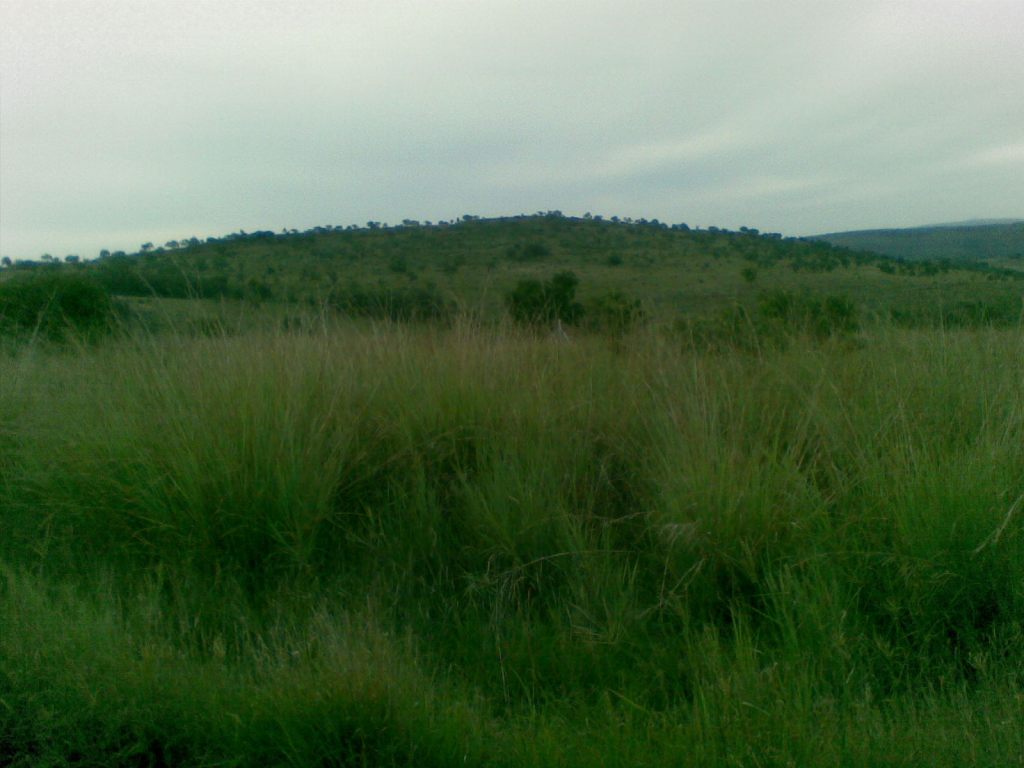
The open grassland in my home village
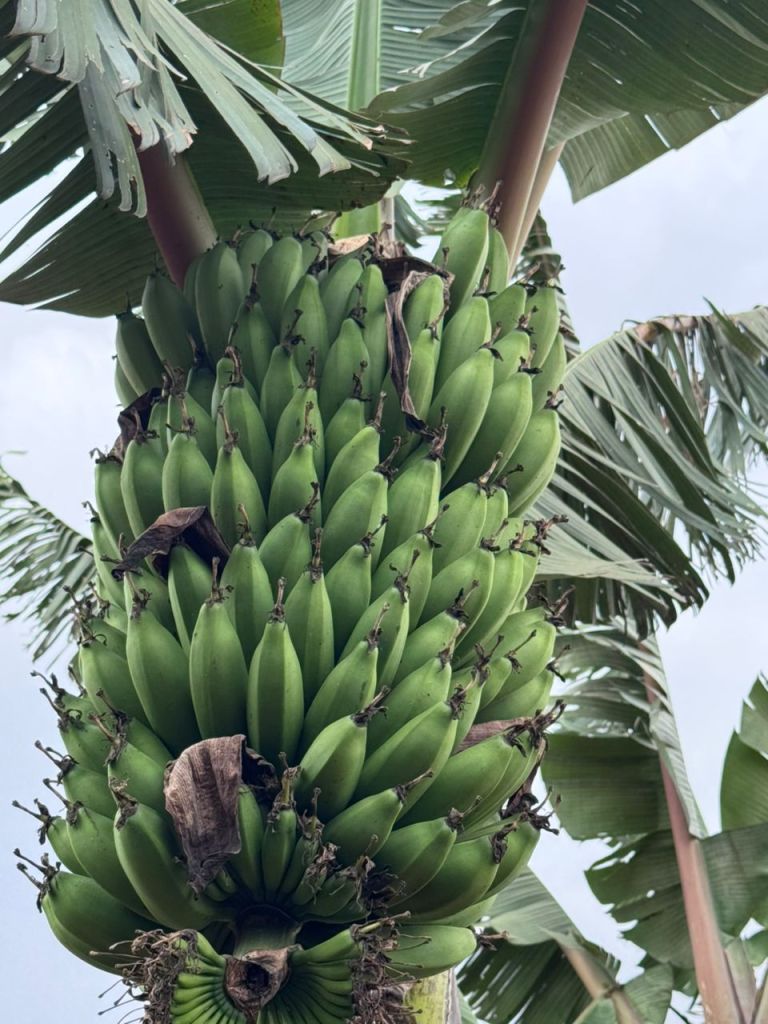
A bunch of Matooke( plantains) in my garden
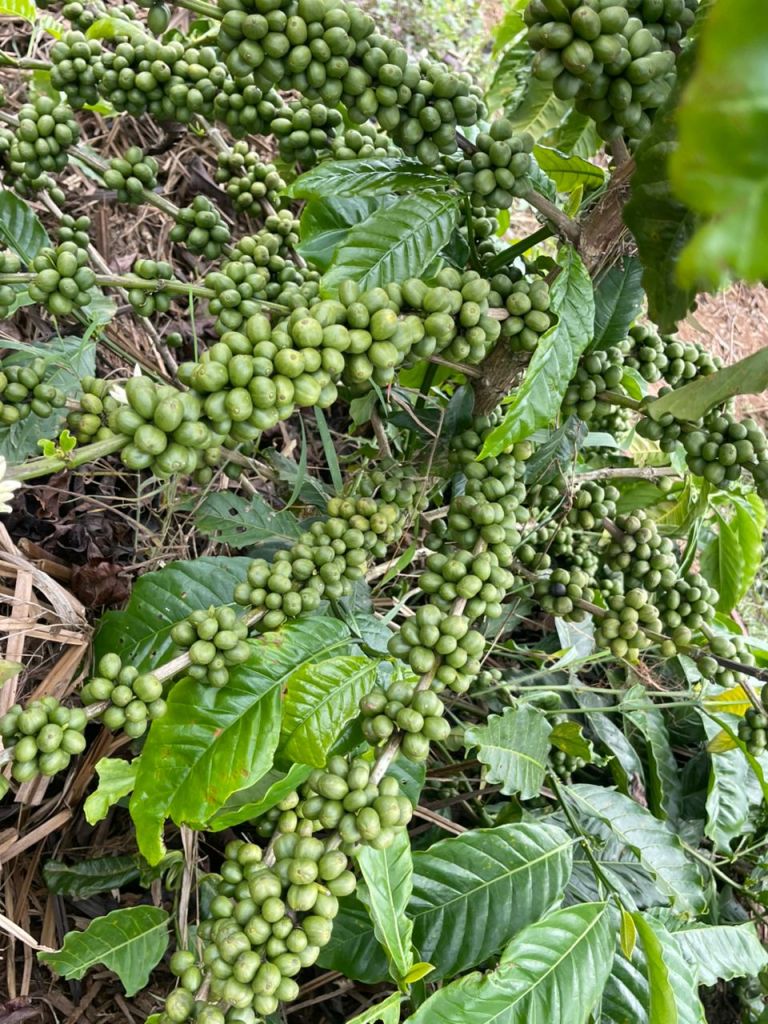
Young Coffee berries
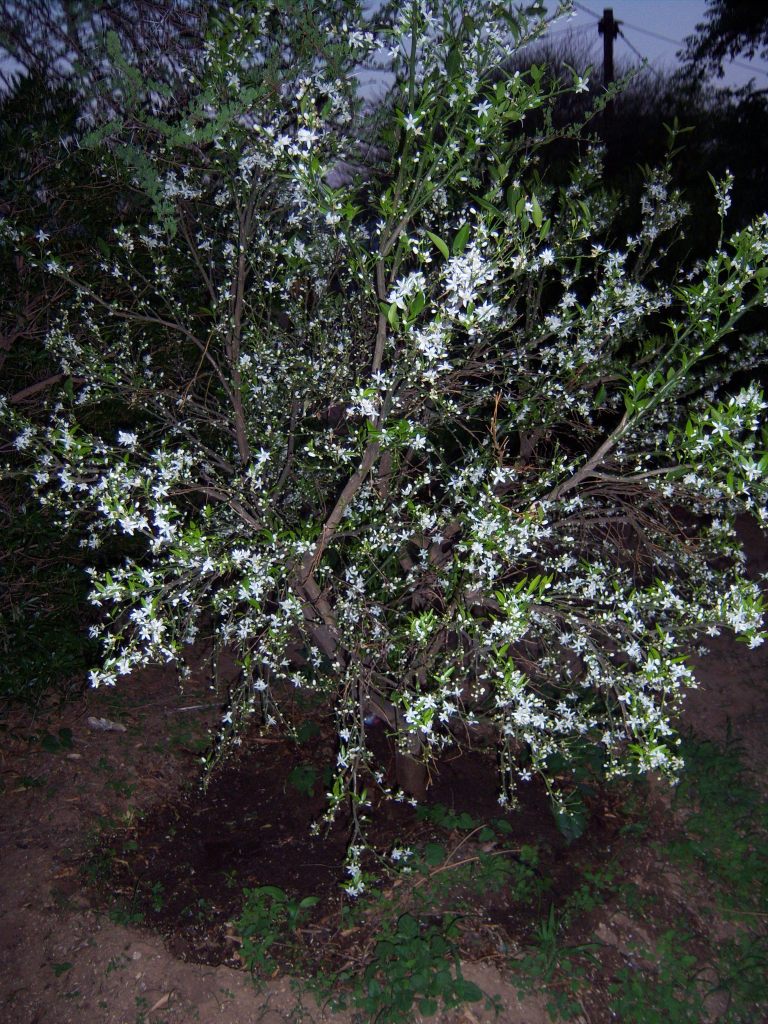
A lemon tree in full bloom
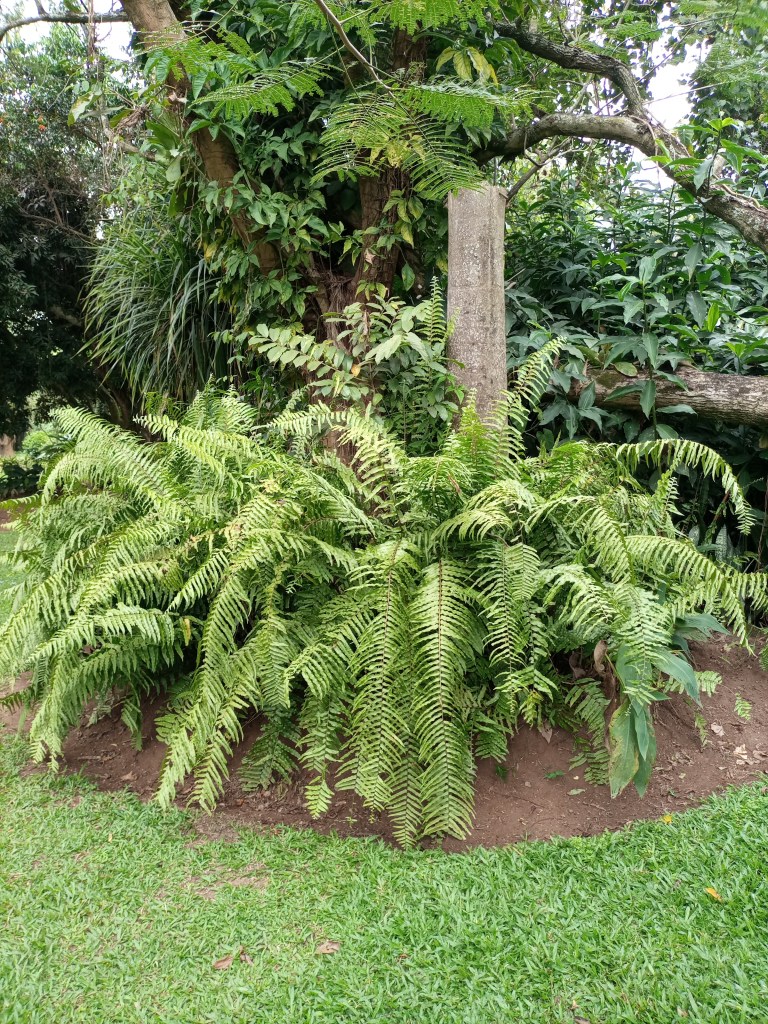
A flourishing fern.
My mother’s back yard turned into a bush within the ten days that the part time gardener has been away tendering his banana and coffee gardens in the village during the heavy rainy season.
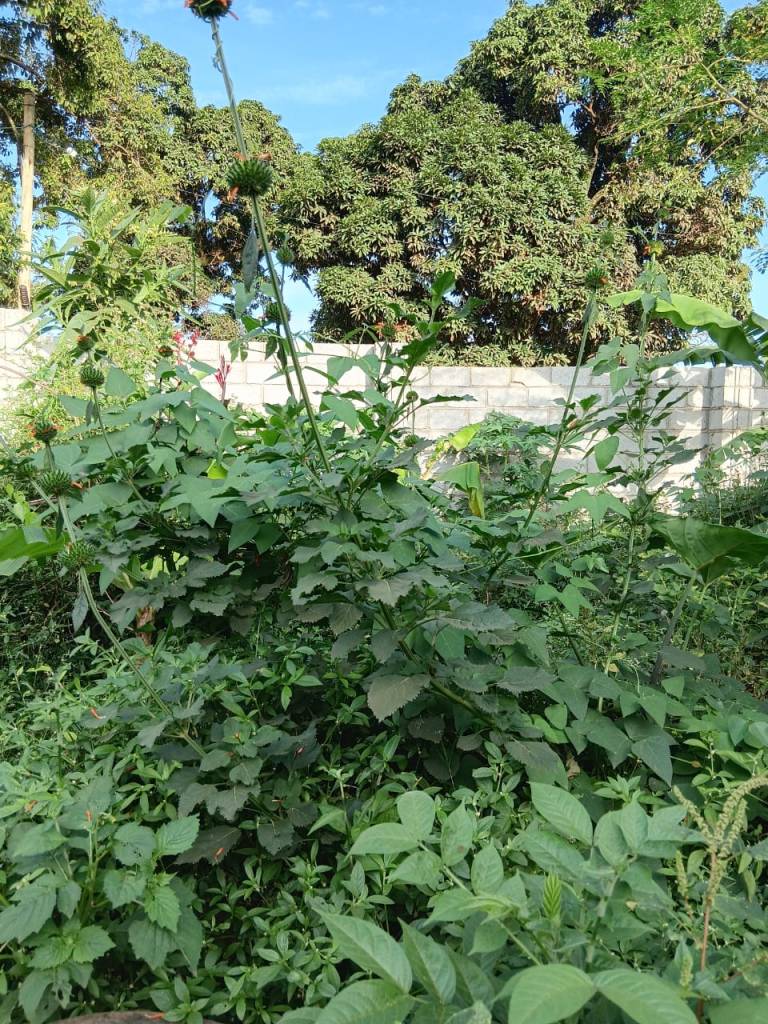
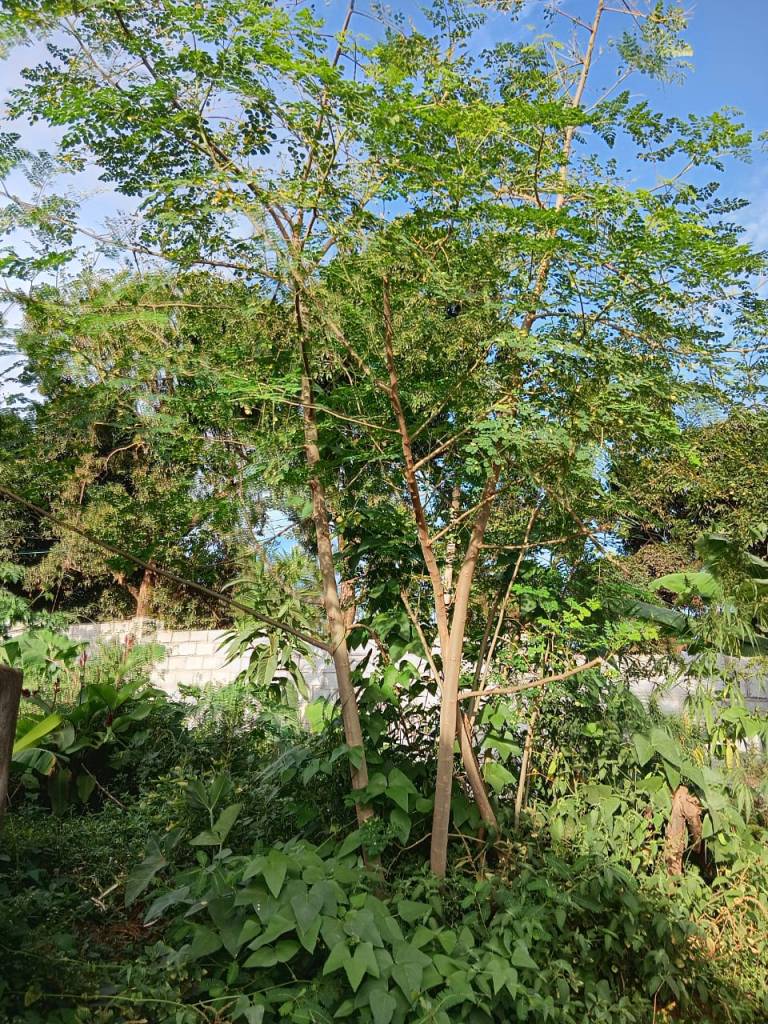
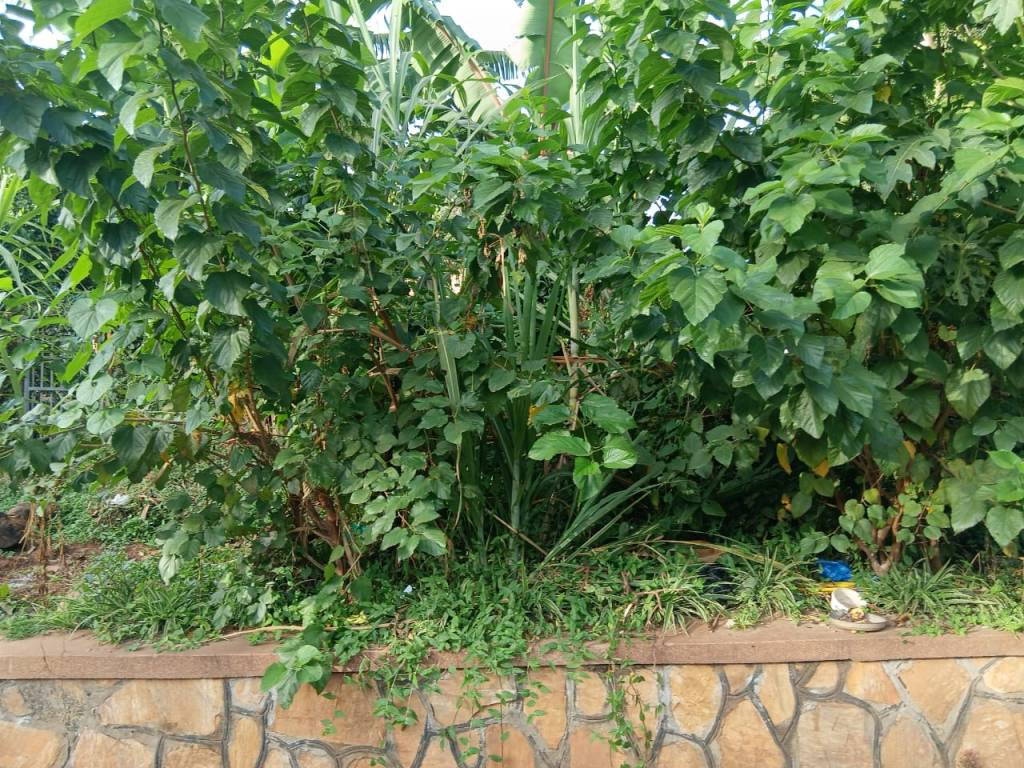
The earth has the power to renew itself after a drought or a bush fire, we too have the ability to rediscover ourselves after a tragedy , huge loss or a period of intense pressure.
Engaging with nature consistently is essential in this healing process or rediscovery.
QUESTION :
How often in a week do you go out in nature to unplug and recharge your mental batteries?
Has this post enticed you to do it more often?